
Tanzania
There's a reason Tanzania is where serious safari travellers keep coming back to. The Serengeti, the Ngorongoro Crater, Tarangire - these aren't just famous names. They represent some of the most concentrated, diverse wildlife viewing anywhere on earth, set across landscapes that still feel genuinely untouched.
The Serengeti
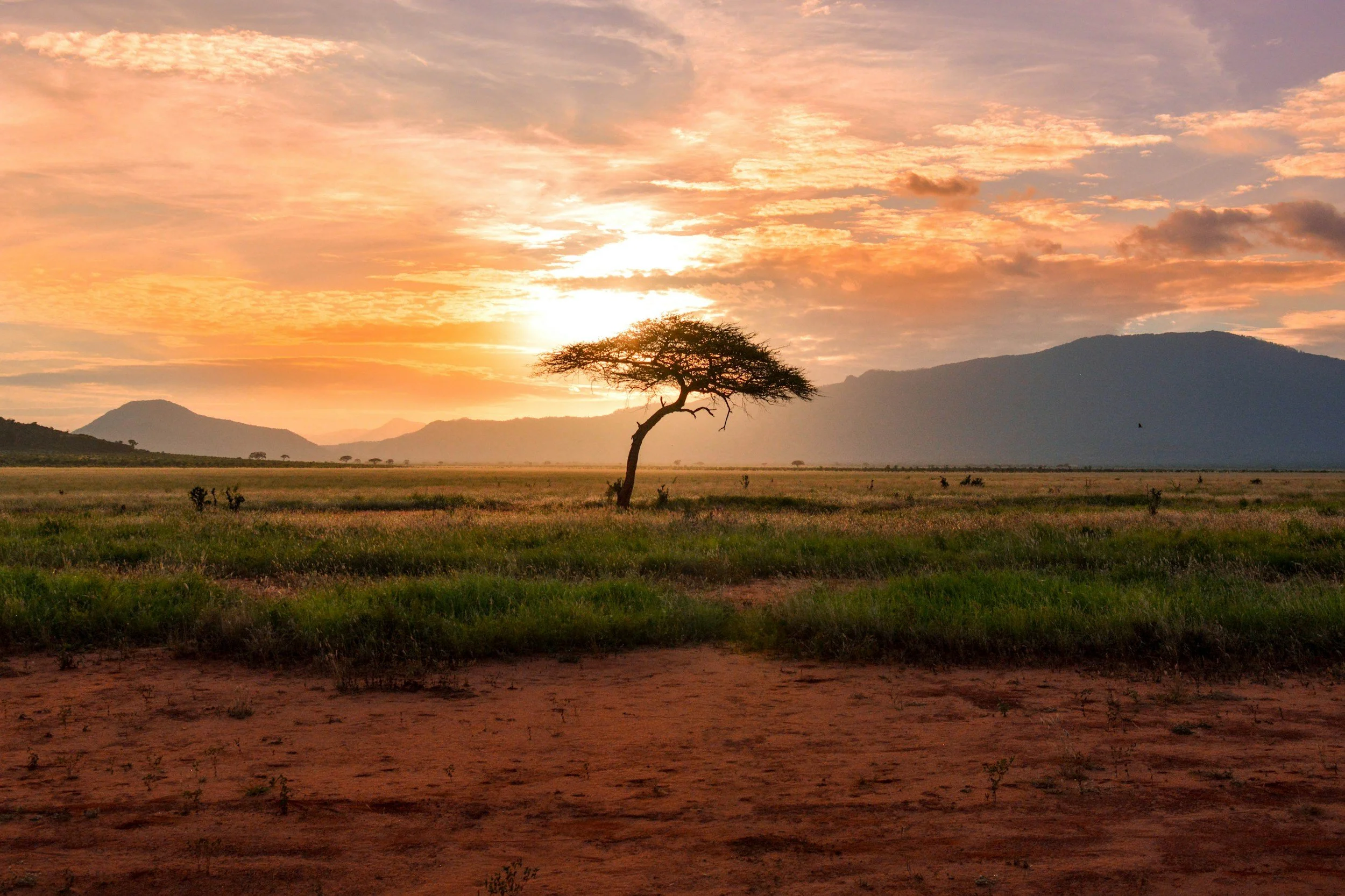
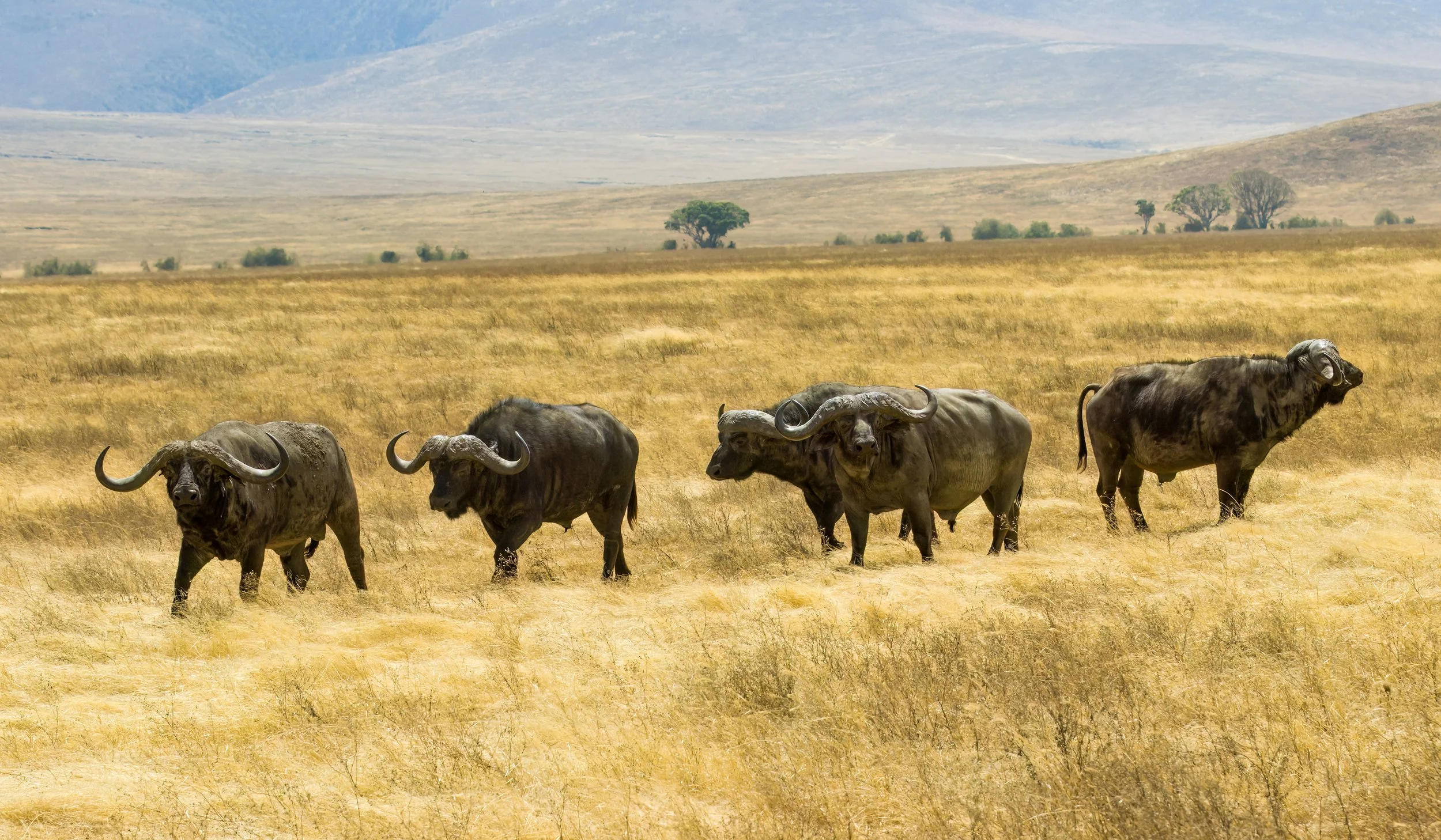
The Serengeti needs no introduction. It is the most famous wildlife destination on earth for a reason. What surprises most first-time visitors is the scale and the silence. This is where your guide matters most. Knowing where to be, when to wait, and where the other vehicles won't follow.
Tarangire: The Land of the Giants
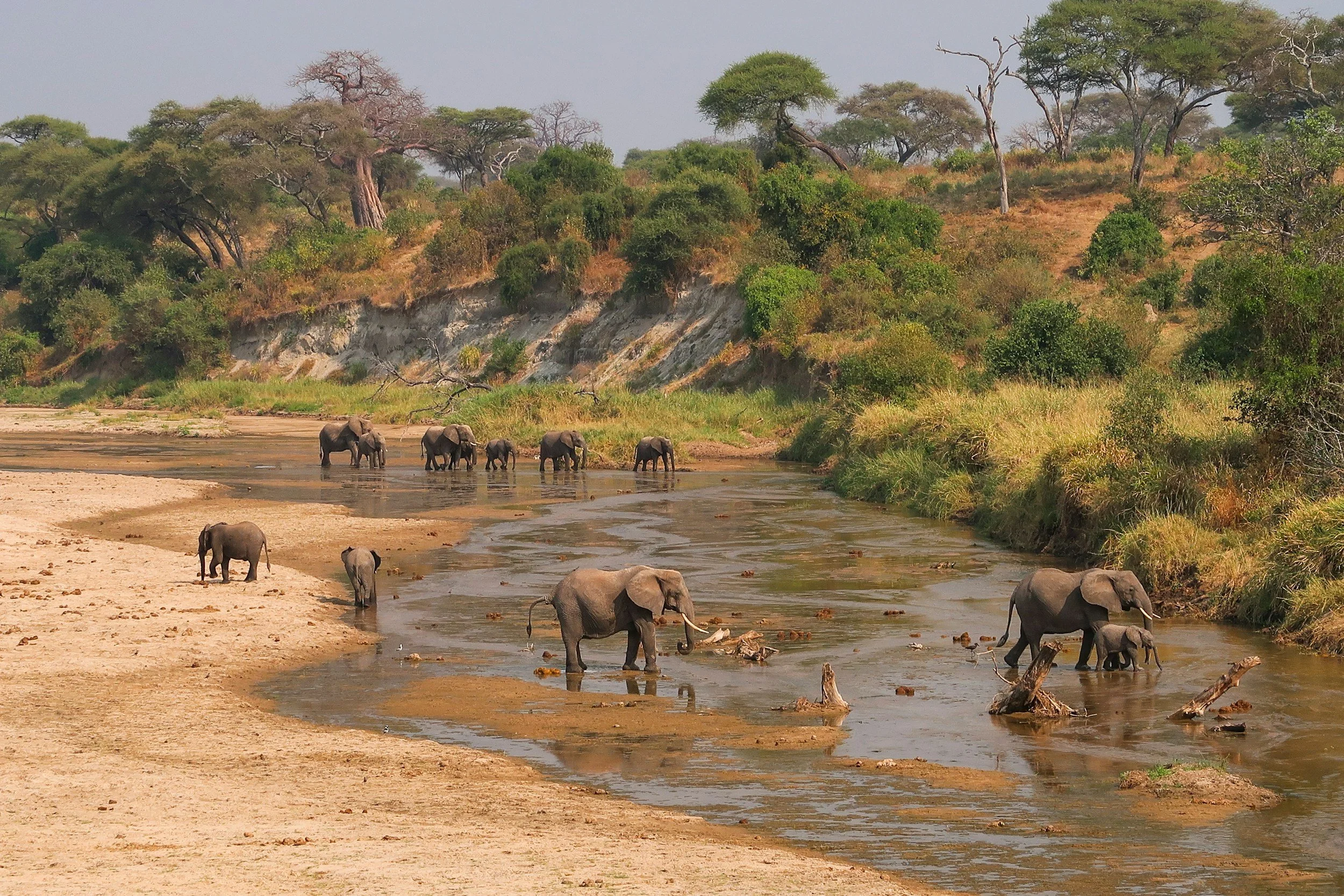
If the Serengeti is about the horizon, Tarangire is about the details. It's rugged, old-school Africa - massive ancient baobabs that look like they were planted upside down, and red-dust trails that lead to the river. During the dry season, the park becomes a magnet for the largest elephant herds in East Africa. There is nothing quite like sitting quietly under a baobab as a family of fifty elephants passes so close you can hear them breathing. It's a park for the purist, wild and quiet.
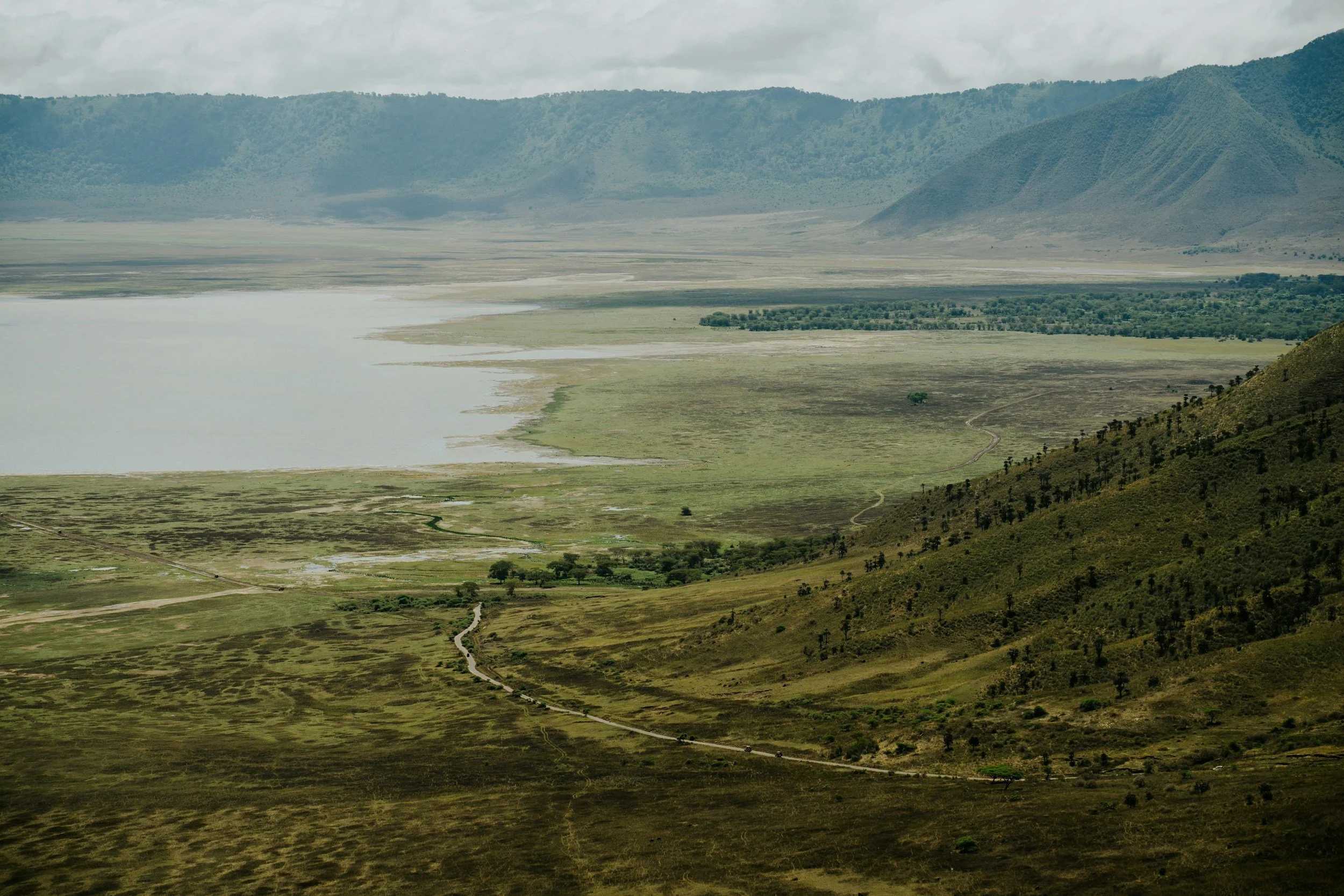
Ngorongoro: A World Within a World
Descending 600 metres into the Ngorongoro Crater feels like stepping into a different era. It is a self-contained ecosystem, a prehistoric bowl where the walls rise up to meet the clouds and the floor is dense with life. One of the few places where you can look in one direction and see a pride of lions, and in the other, a rare black rhino moving through the blue mist of the morning. It can be busy, but time your entry right and there is nowhere else like it.
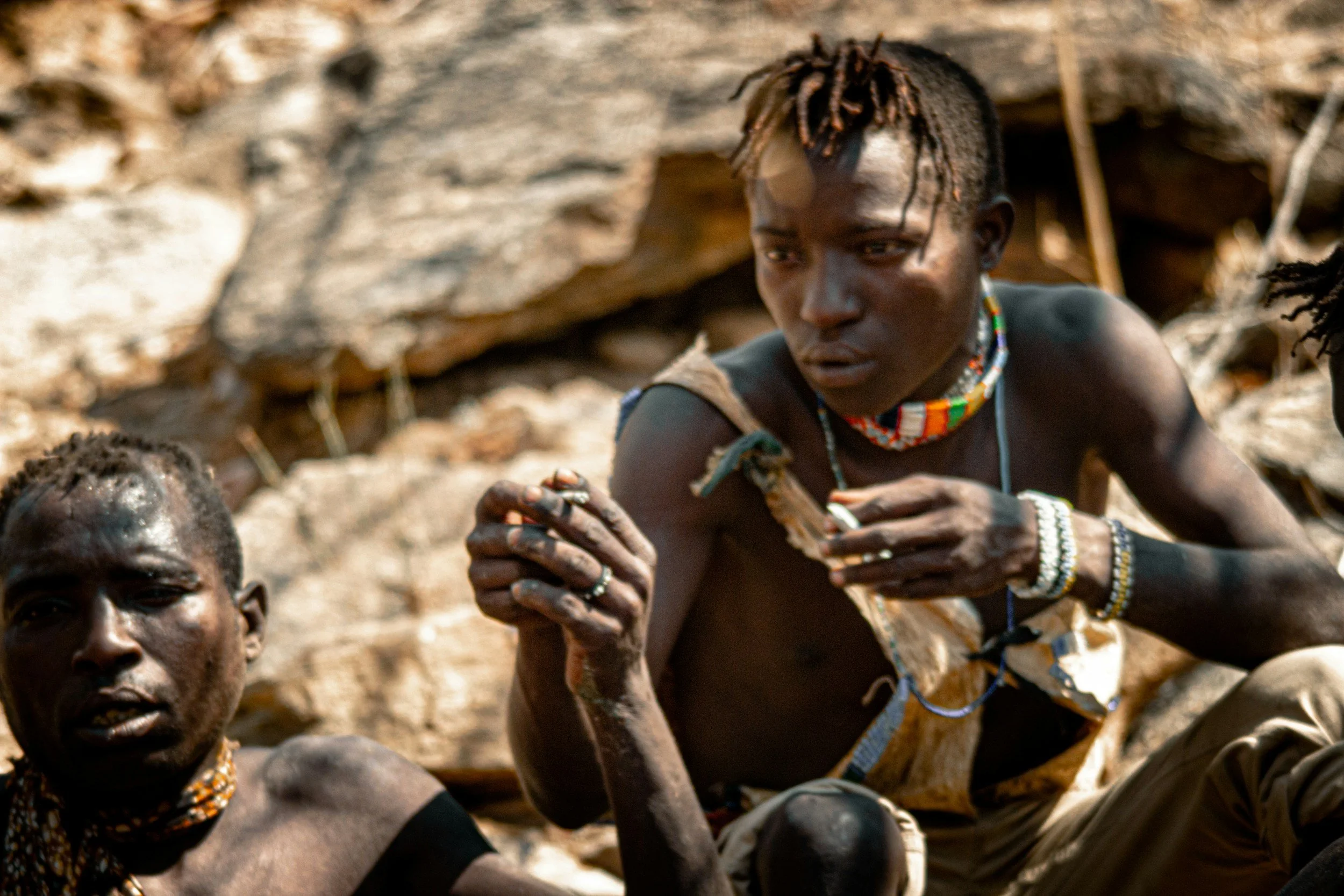
A Human Landscape
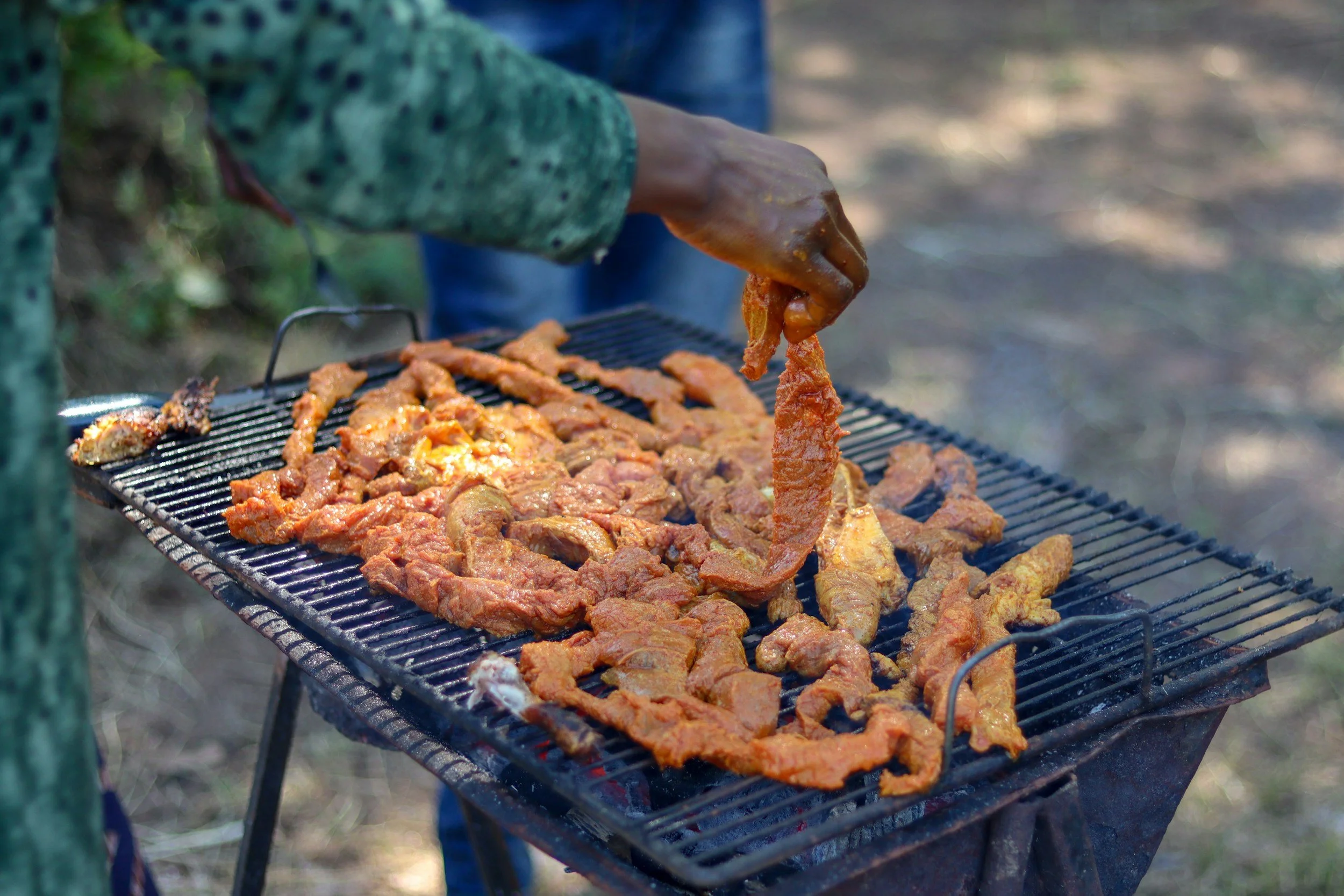
Tanzania is home to over 120 different cultures, and we believe your trip should reflect that. At Lake Eyasi, you can walk at dawn with the Hadzabe - one of the last hunter-gatherer tribes on earth - and watch them navigate the bush using skills that haven't changed in thousands of years. On the fertile slopes of Mount Kilimanjaro, you might spend an afternoon with a Chagga family, seeing how they grow some of the world's best coffee, trying a bowl of machalari, or tasting mbege, a local brew made from fermented bananas and finger millet. It's these moments, away from the binoculars and the cameras, that usually end up being the stories people tell when they get home.
When to go, and the Great Migration
There is no single best time to visit northern Tanzania. The parks are rewarding all year, and the resident wildlife, the lions, leopards, elephants and the rest, is there in every season. What changes through the year is the migration, and this is the part most people misunderstand.
The great wildebeest migration is not an event you catch on a set date. It is the constant movement of well over a million wildebeest and zebra around the Serengeti ecosystem, following the rain and the fresh grass. It is happening every day of the year, somewhere. The skill, and the reason your guide matters so much, is knowing where it is in any given month and putting you in front of it. A fixed date on a calendar tells you very little. A guide who tracks the herds every week tells you everything.
Here is roughly how the year moves.
January to March, the southern plains and calving.
The herds gather on the short-grass plains of the southern Serengeti and the Ndutu area. Around February, close to half a million calves are born in the space of a few weeks. It is the most concentrated wildlife spectacle of the whole year, with predators following the herds closely, and it is far quieter than the river-crossing season. A wonderful, and underrated, time to travel.
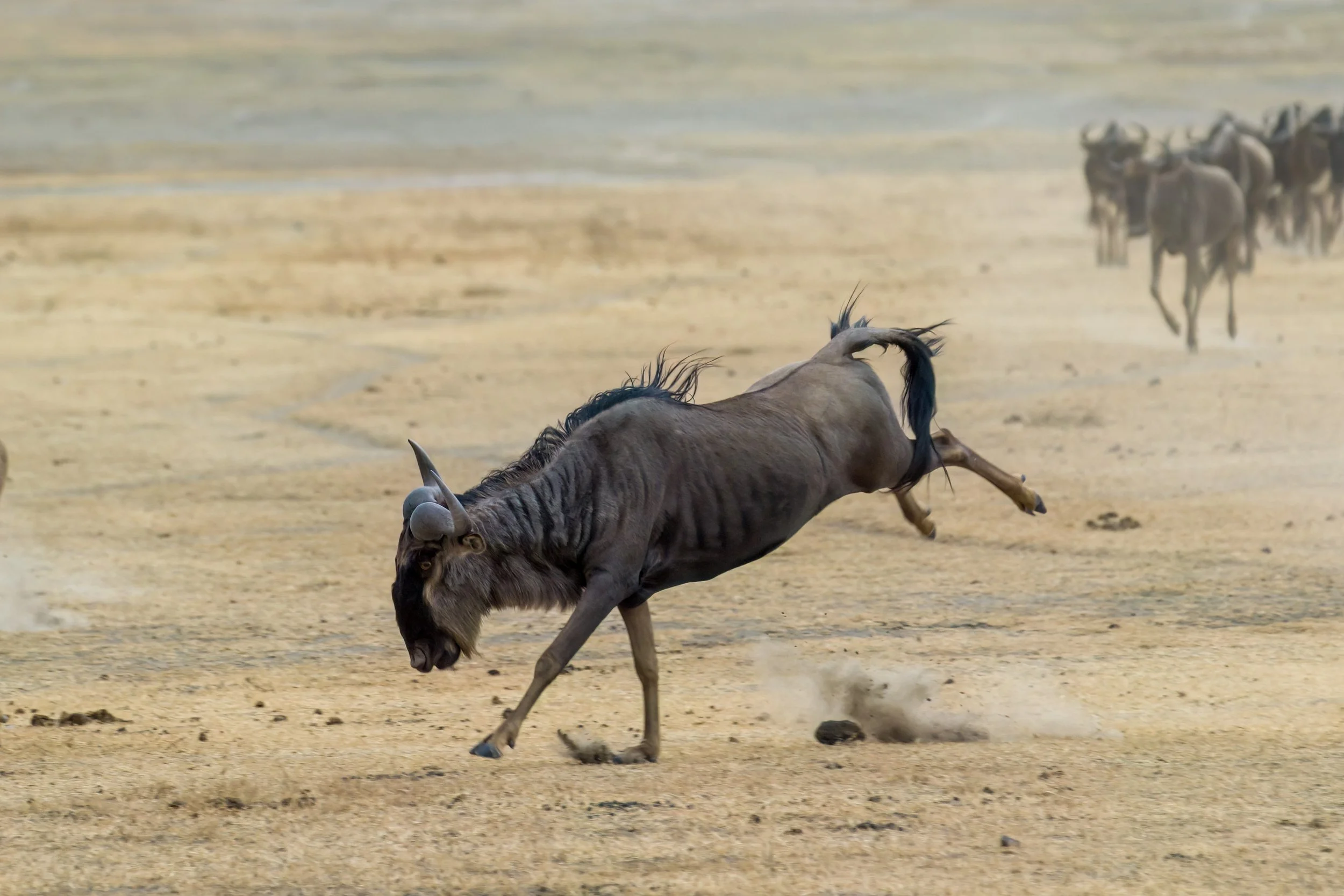
April and May, the green season.
The rains arrive and the herds begin moving north through the central Serengeti. The landscape is lush and green, the light is beautiful for photography, and this is the quietest and best-value time of year. The trade-off is occasional rain and herds that are more spread out.
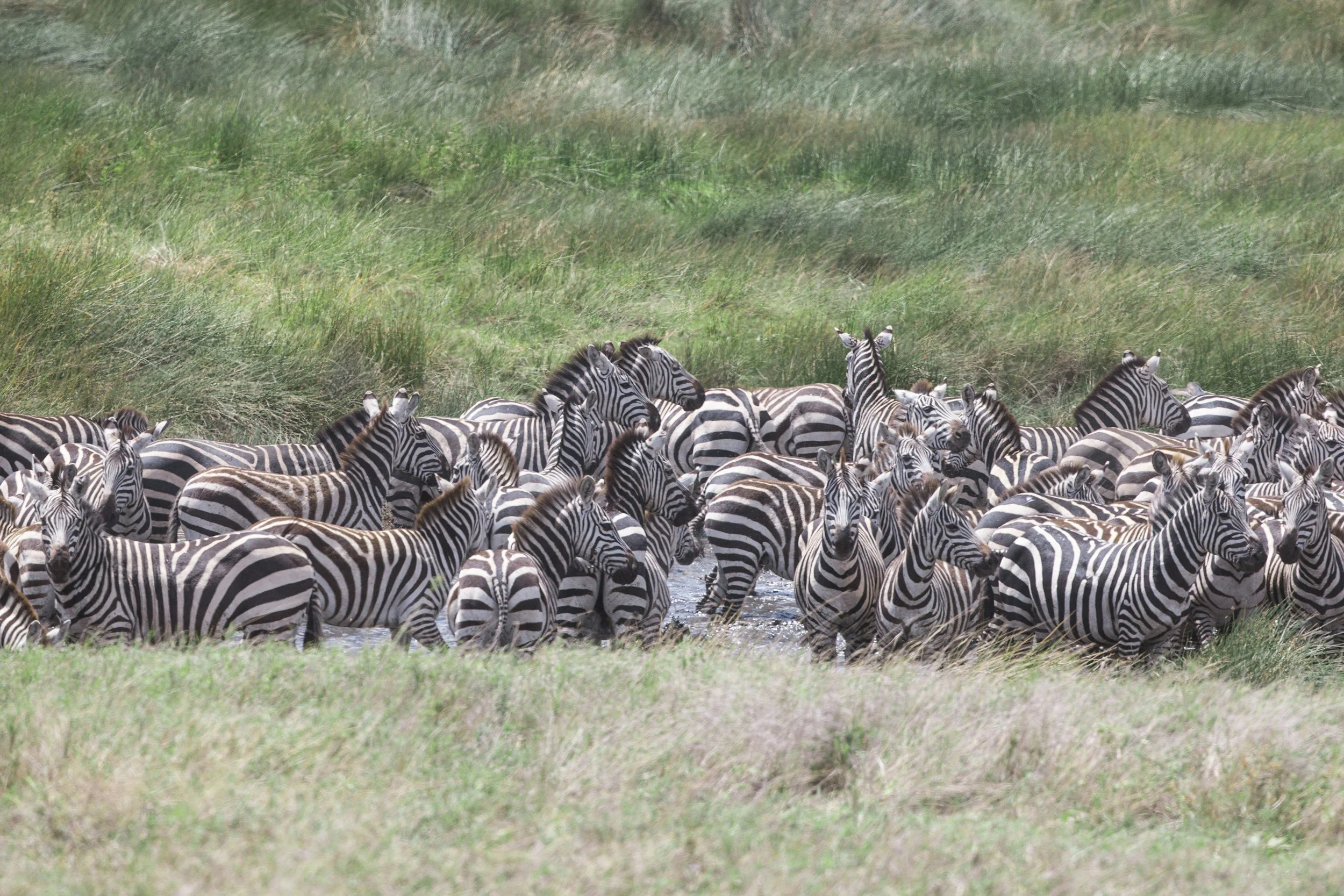
June to July, the western corridor and the Grumeti.
The herds push northwest and gather along the Grumeti River for the season's first major crossings. It is a genuine spectacle, and because the peak-season crowds have not yet built, far quieter than the Mara crossings that follow.
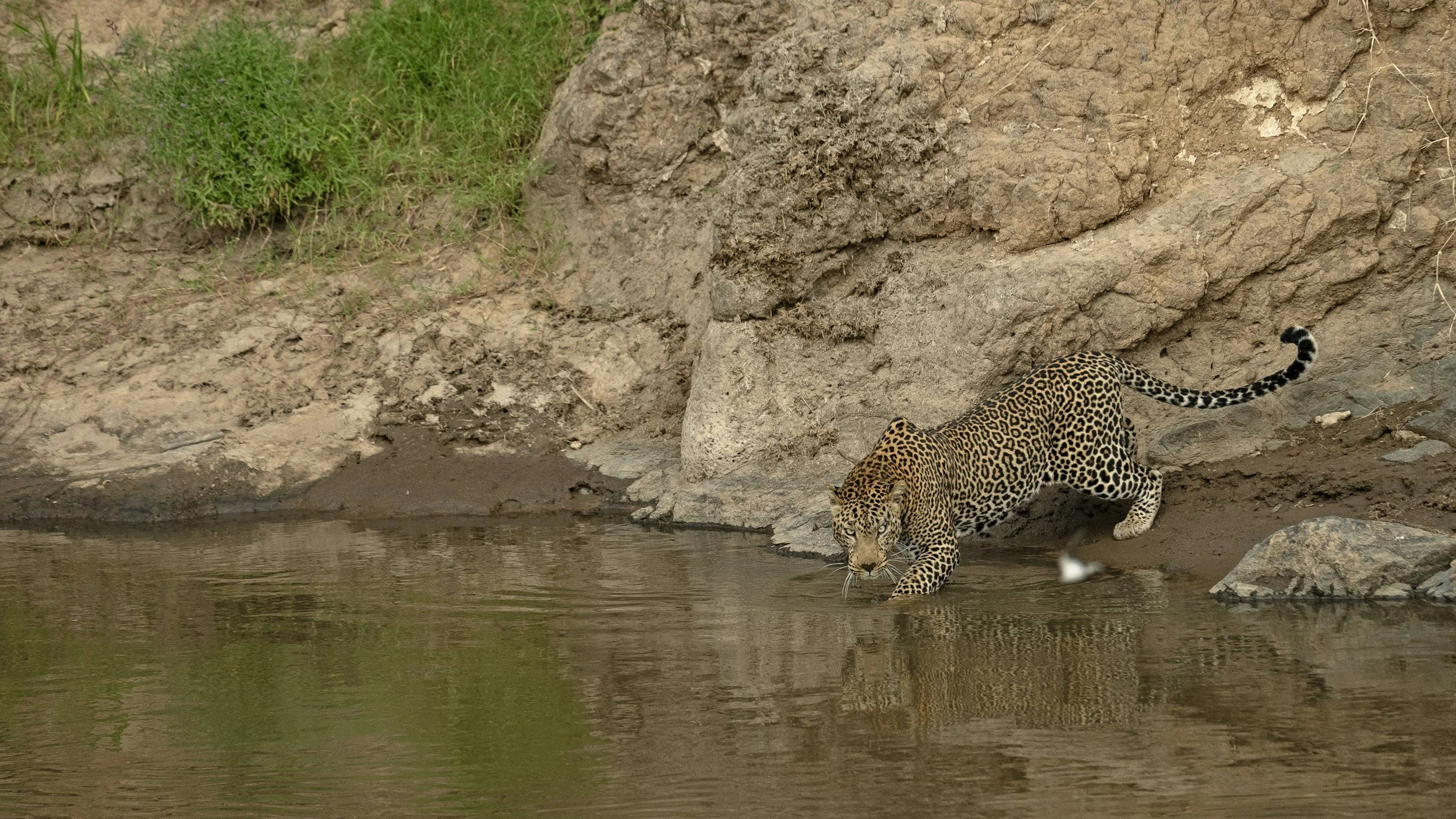
July to October, the northern Serengeti and the Mara River
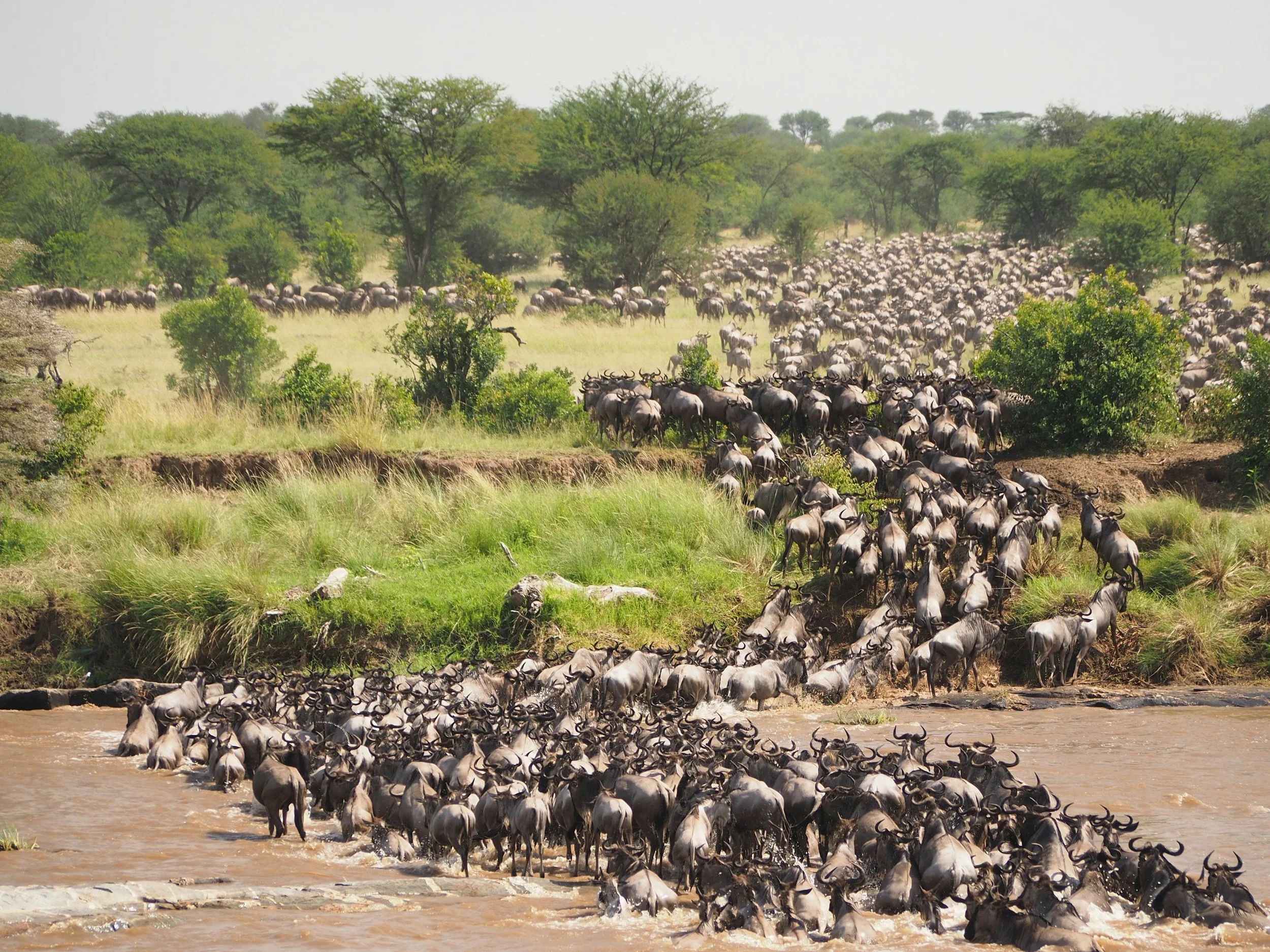
The famous Mara River crossings, and the most dramatic action of the year. This is peak season, so it is also the busiest and most expensive time to travel.
Good positioning is everything, and this is where your guide matters most, reading the herd in the hours before it moves and putting you in the right place when it does.
November to December, the return south.
The short rains draw the herds back down towards the southern plains, and the cycle begins again. A quieter, green, pretty time before the calving starts.
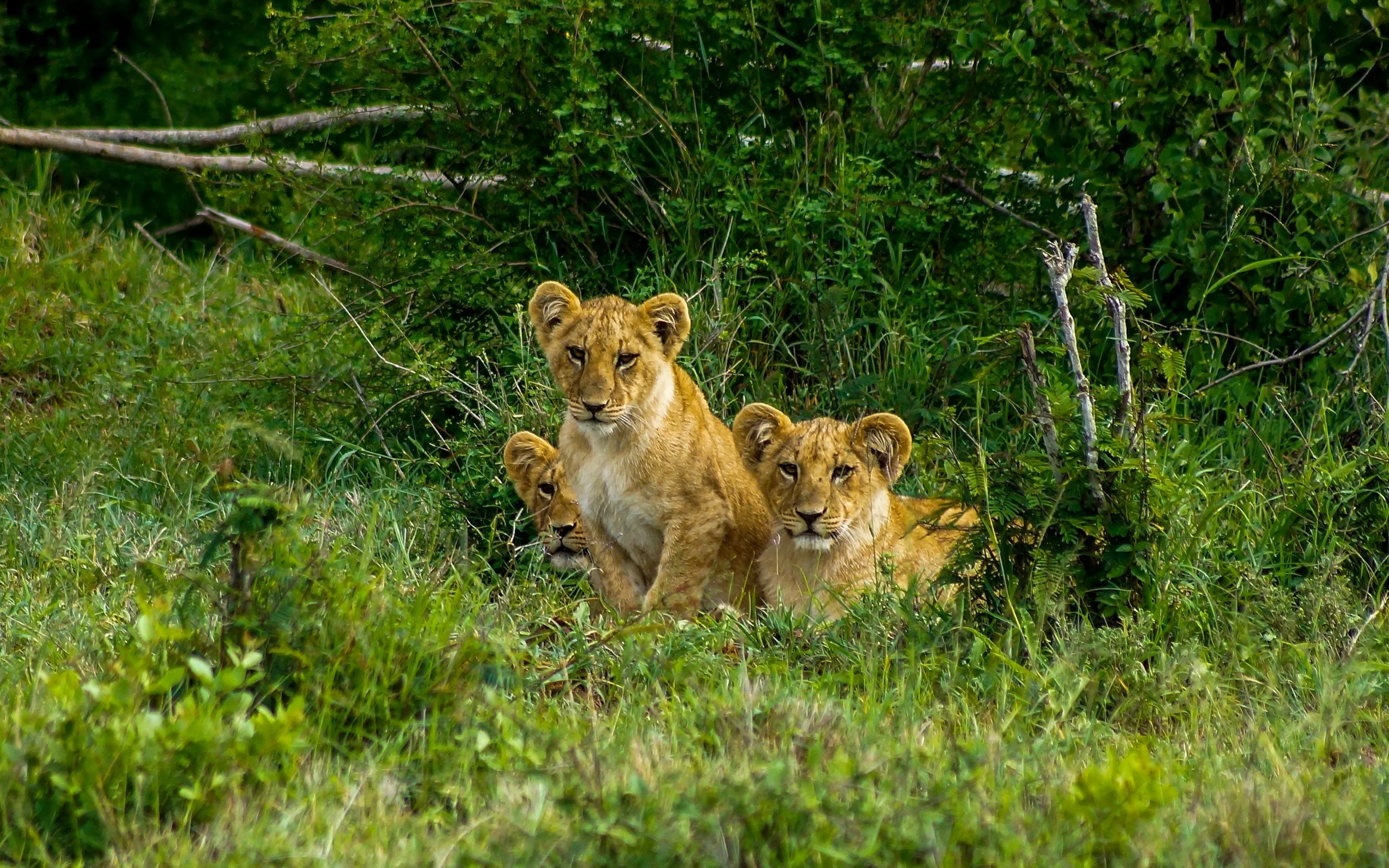
Planning around you
The migration follows the rains, and the pattern shifts by a few weeks each year. It is shifting more as the climate changes. This is exactly why we plan around your dates rather than recommending you a fixed departure, and why we lean on Willie’s week-by-week knowledge of where the herds actually are.
Tell us when you can travel, and we will build the trip around where the wildlife will be.
A Day on Safari
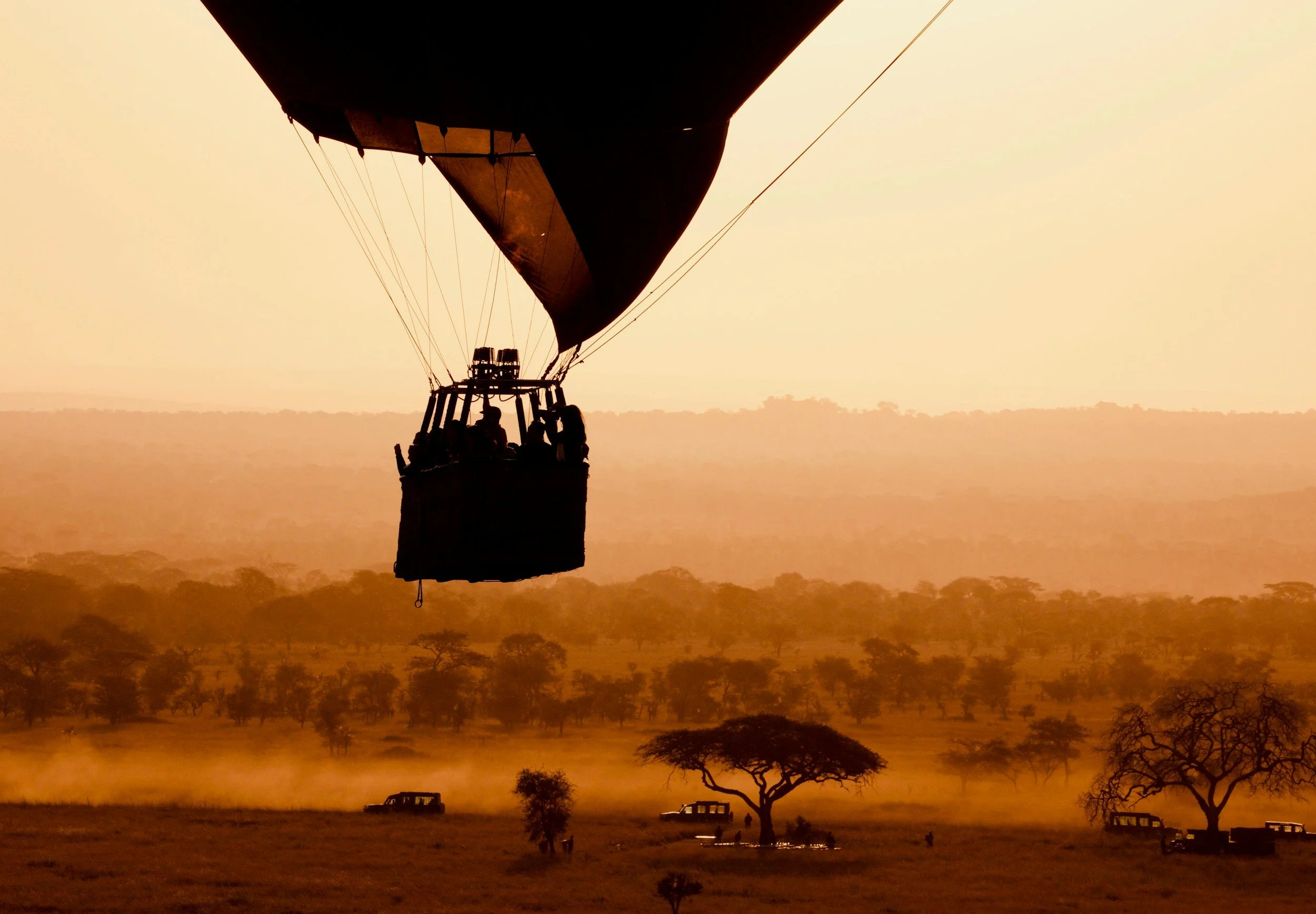
The alarm goes early.
First light in the Serengeti is when the bush is at its most alive - predators are still active, the air is cool, and the light is extraordinary.
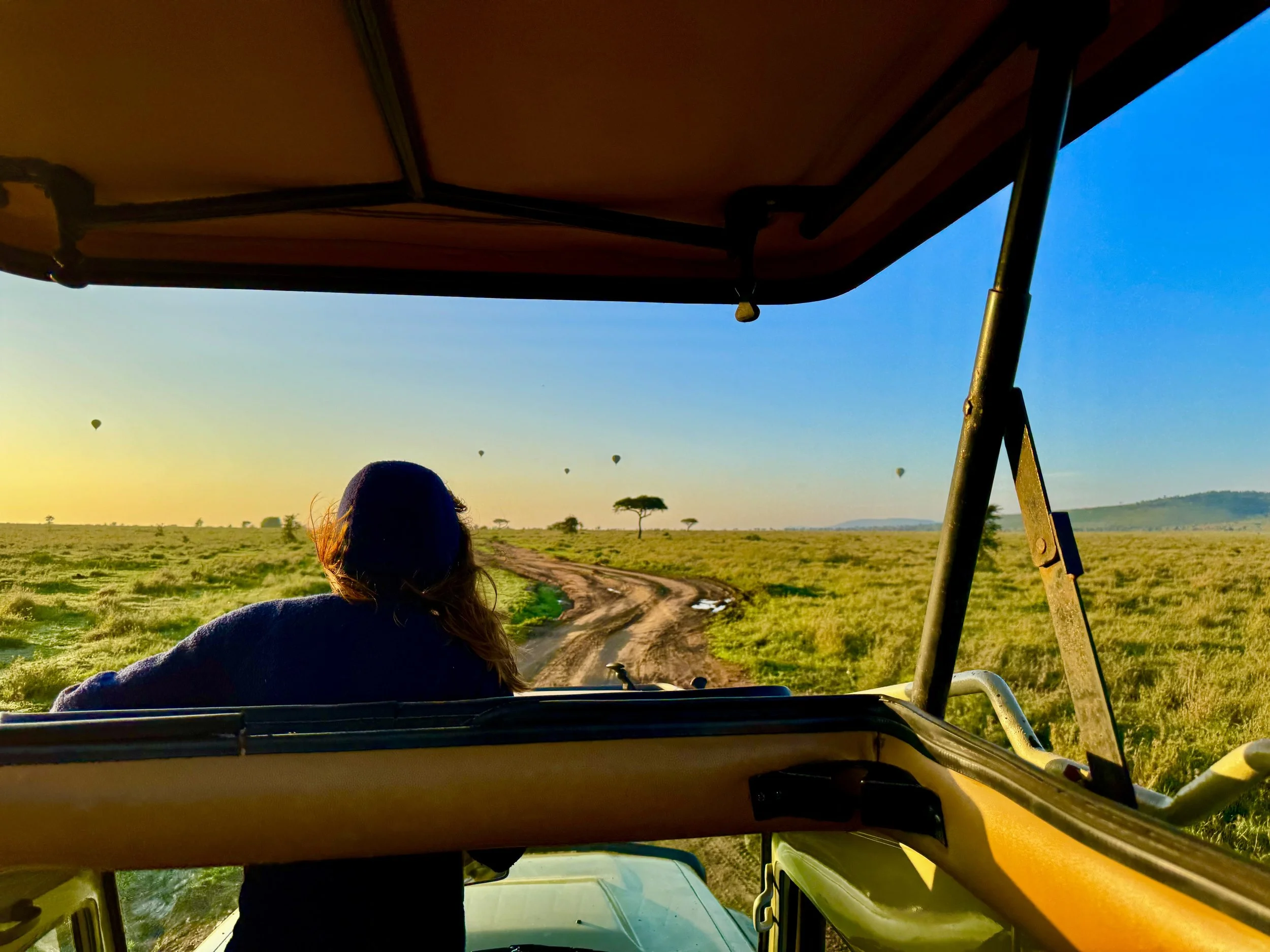
Your guide reads the landscape and the morning unfolds from there.
You might spend three hours tracking a single leopard, or cover twenty kilometres across open plains. No two mornings are the same.
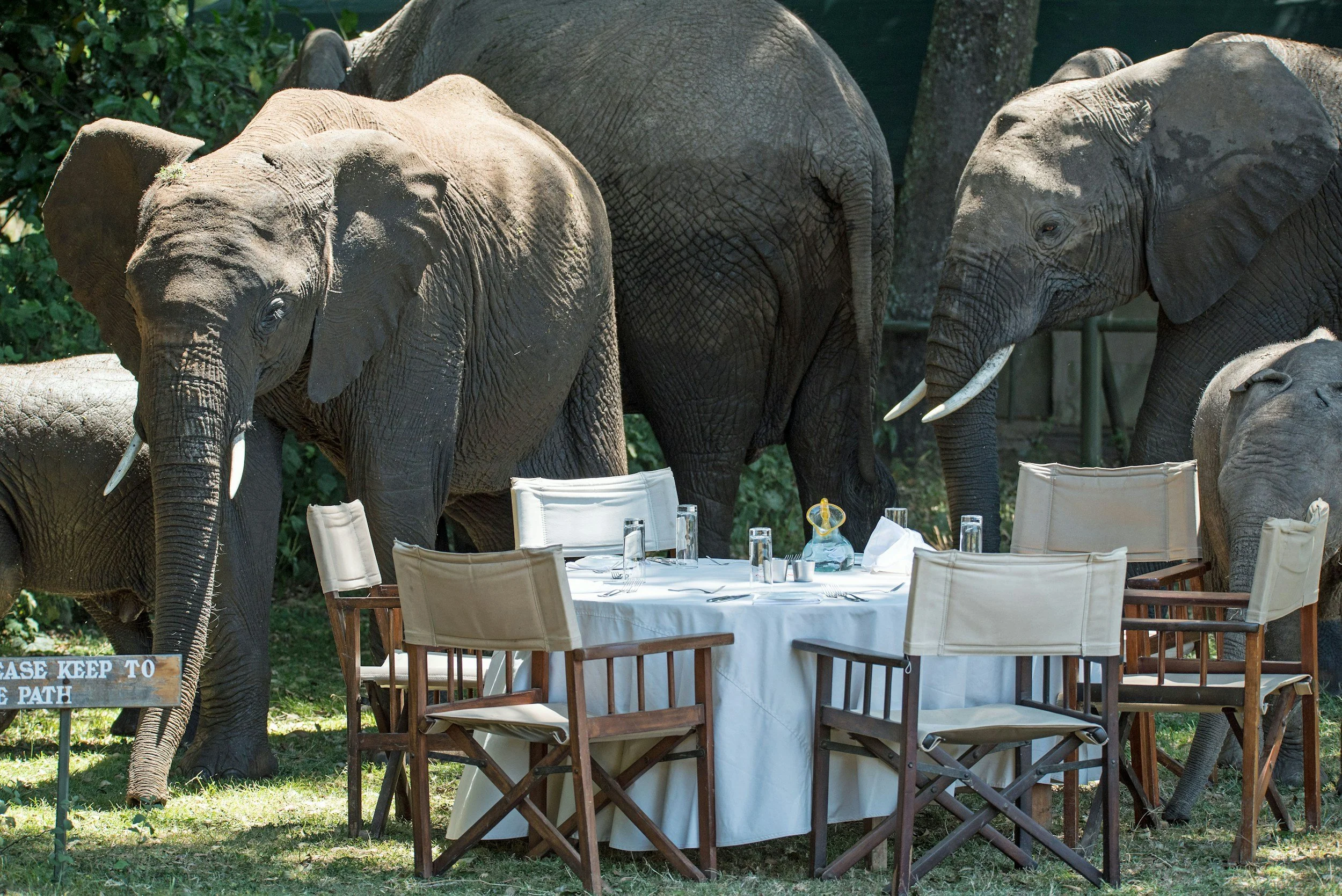
A long lunch back at camp, or a bush lunch under an acacia if you'd rather stay out.
The middle of the day is yours - rest, swim, or simply sit and watch the plains.
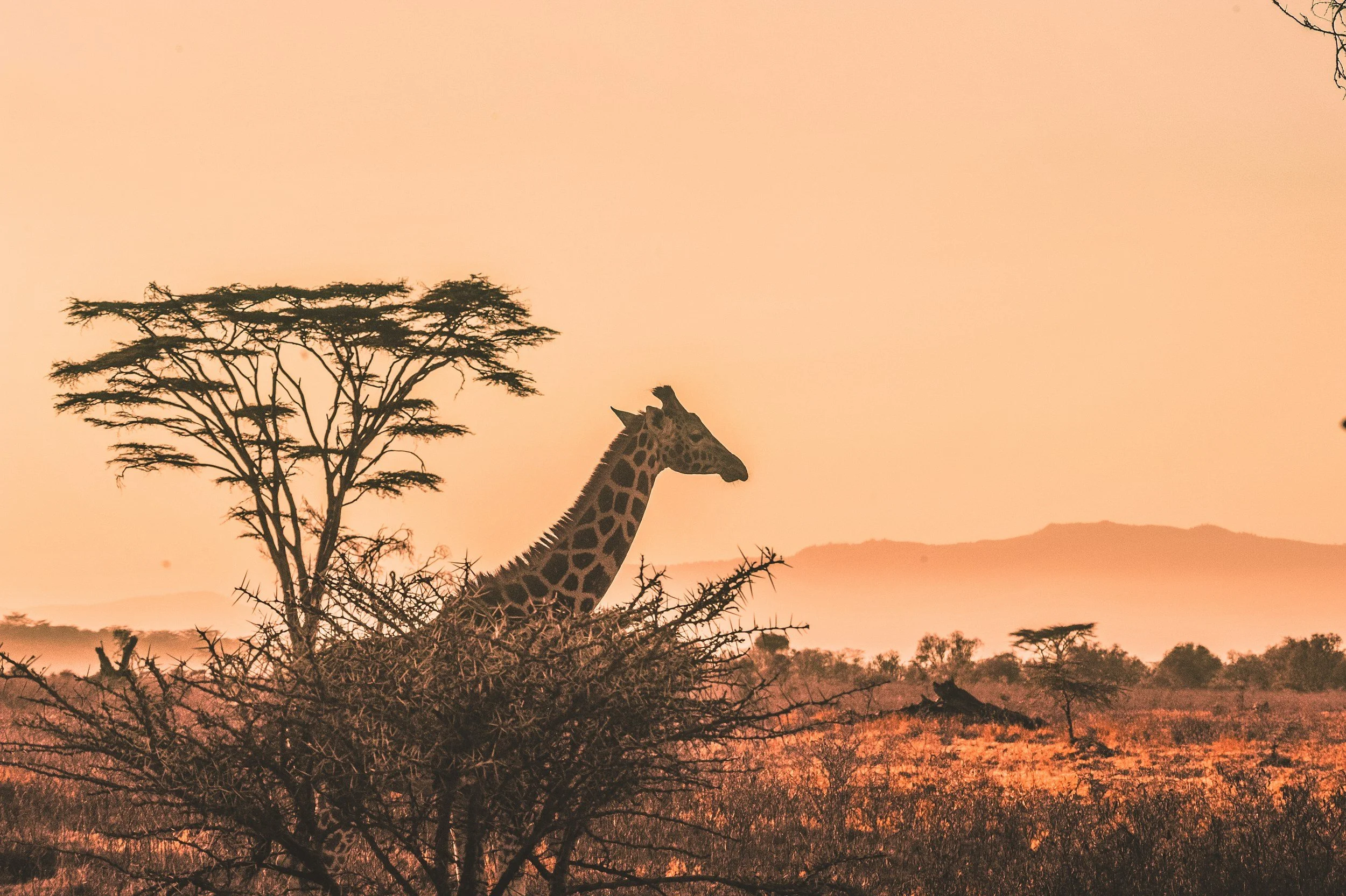
Back out as the light changes.
Late afternoon is when the big cats start to move. Your guide knows where to be and when - the last hour before sunset is often the best of the day.
Where You Stay
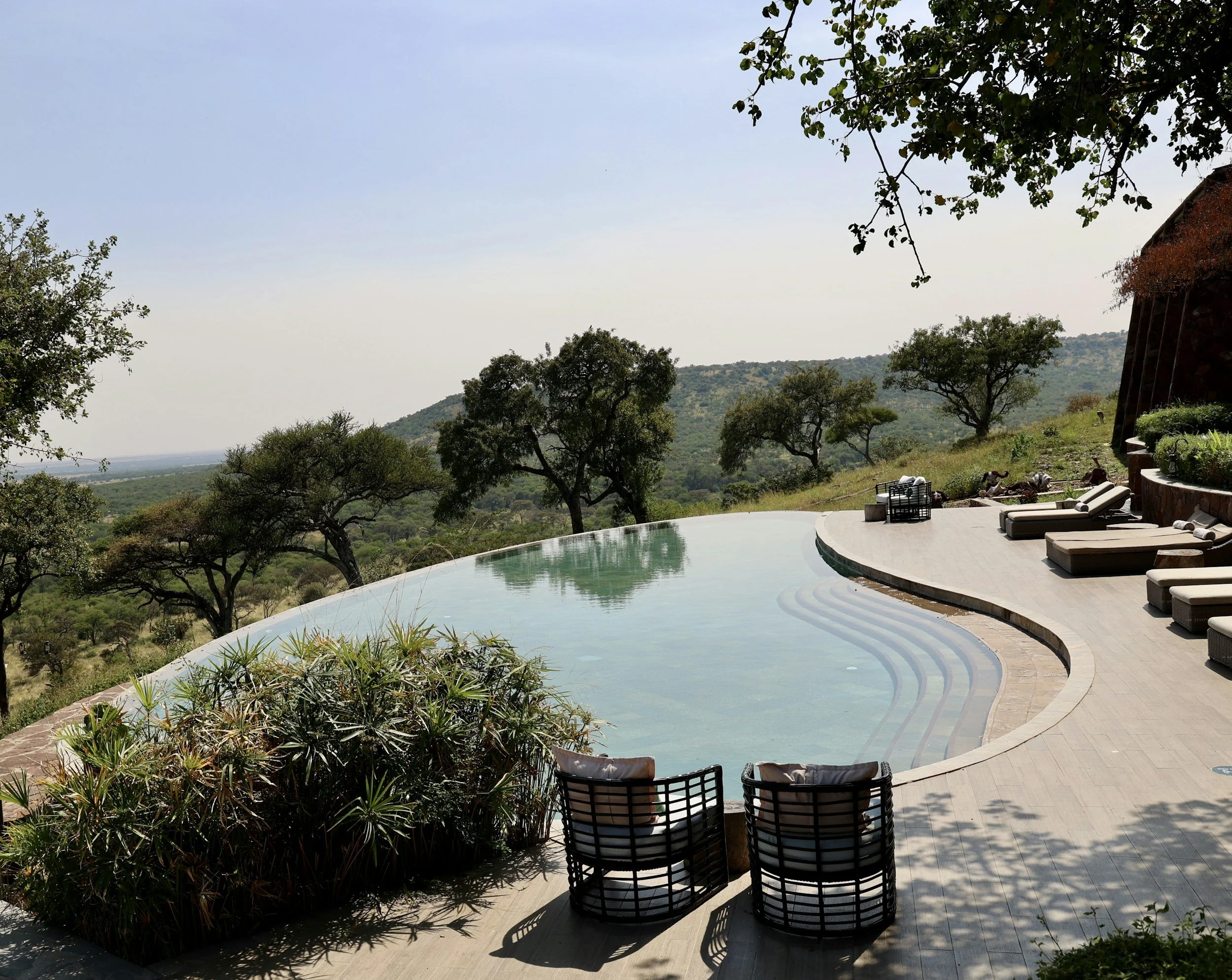
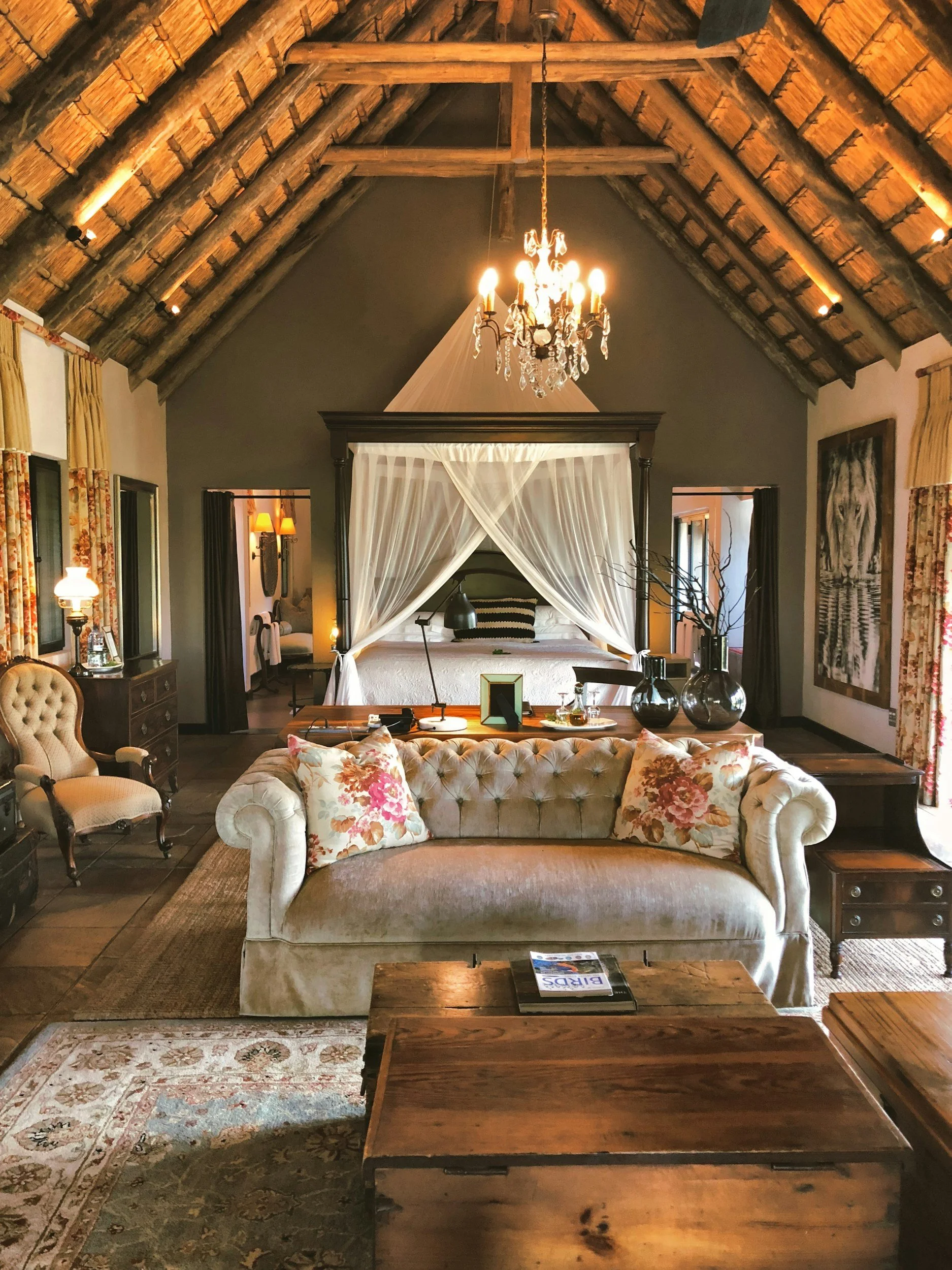
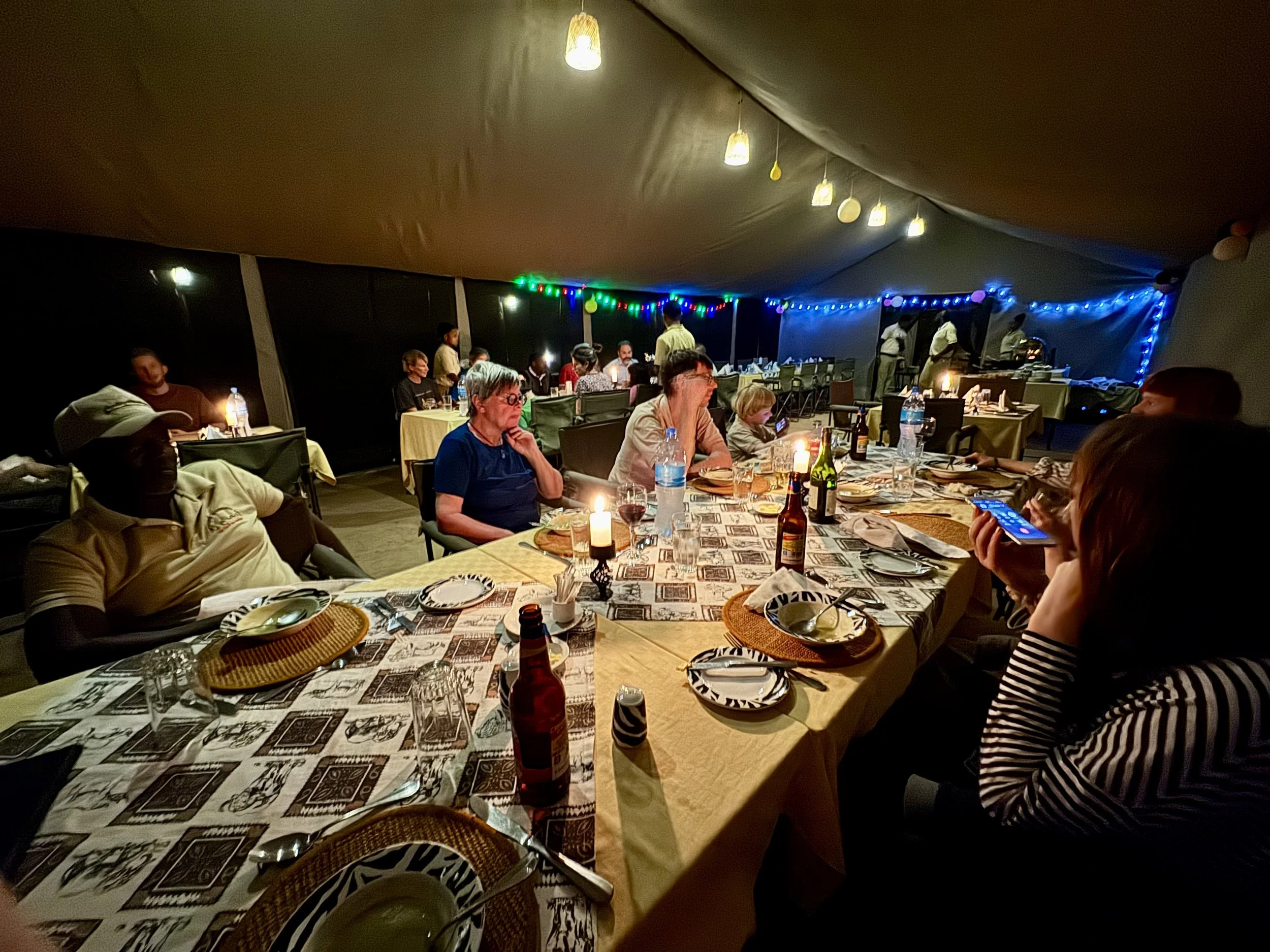
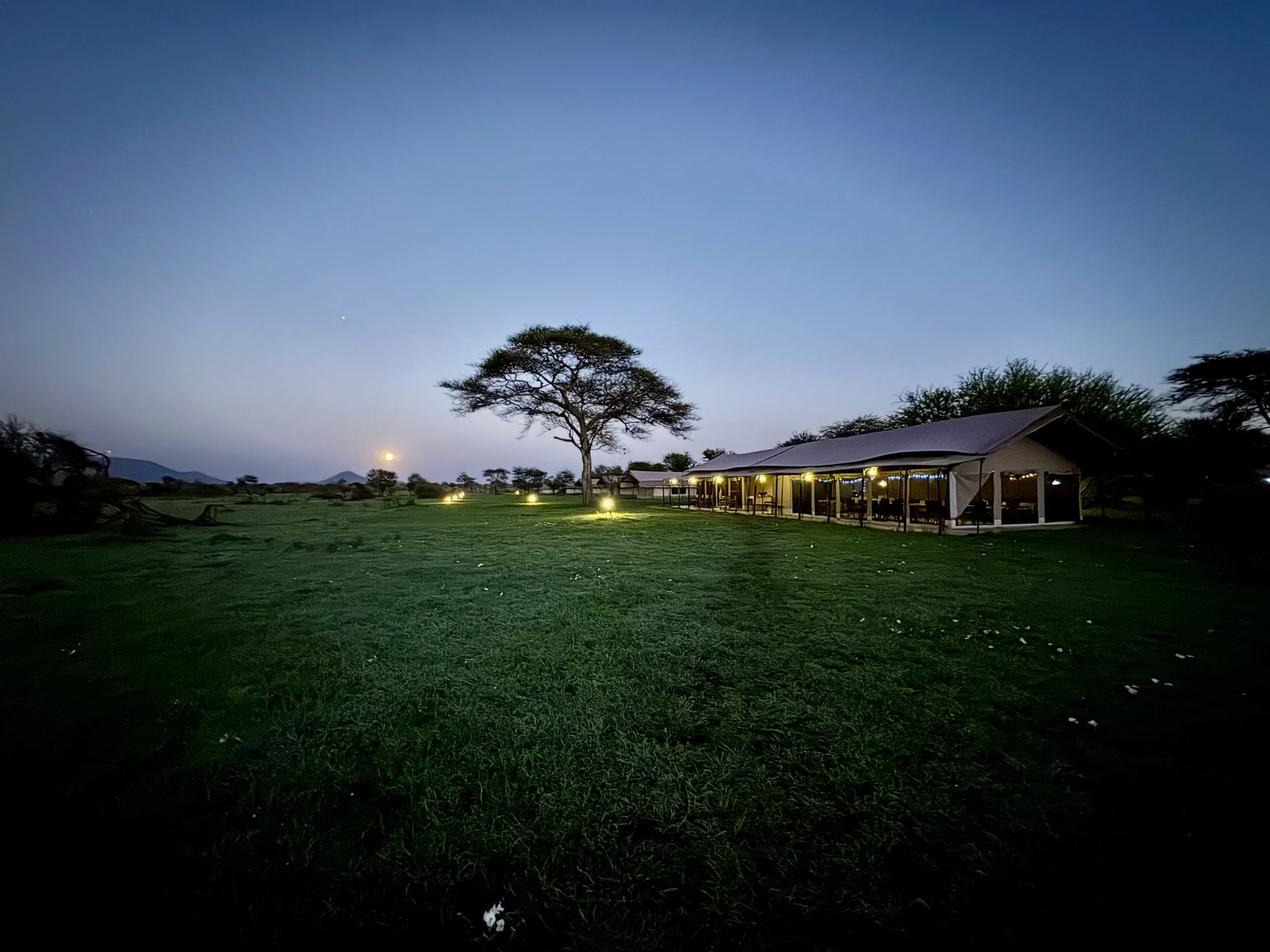
Every lodge and camp in a Makoma itinerary has been personally visited by Willie and his team. We look for places with genuine character and high standards - not necessarily the most expensive option, but always the right one. If you want ultra-luxury, we can arrange that too. But we'll never recommend somewhere we haven't seen ourselves.
How You Travel
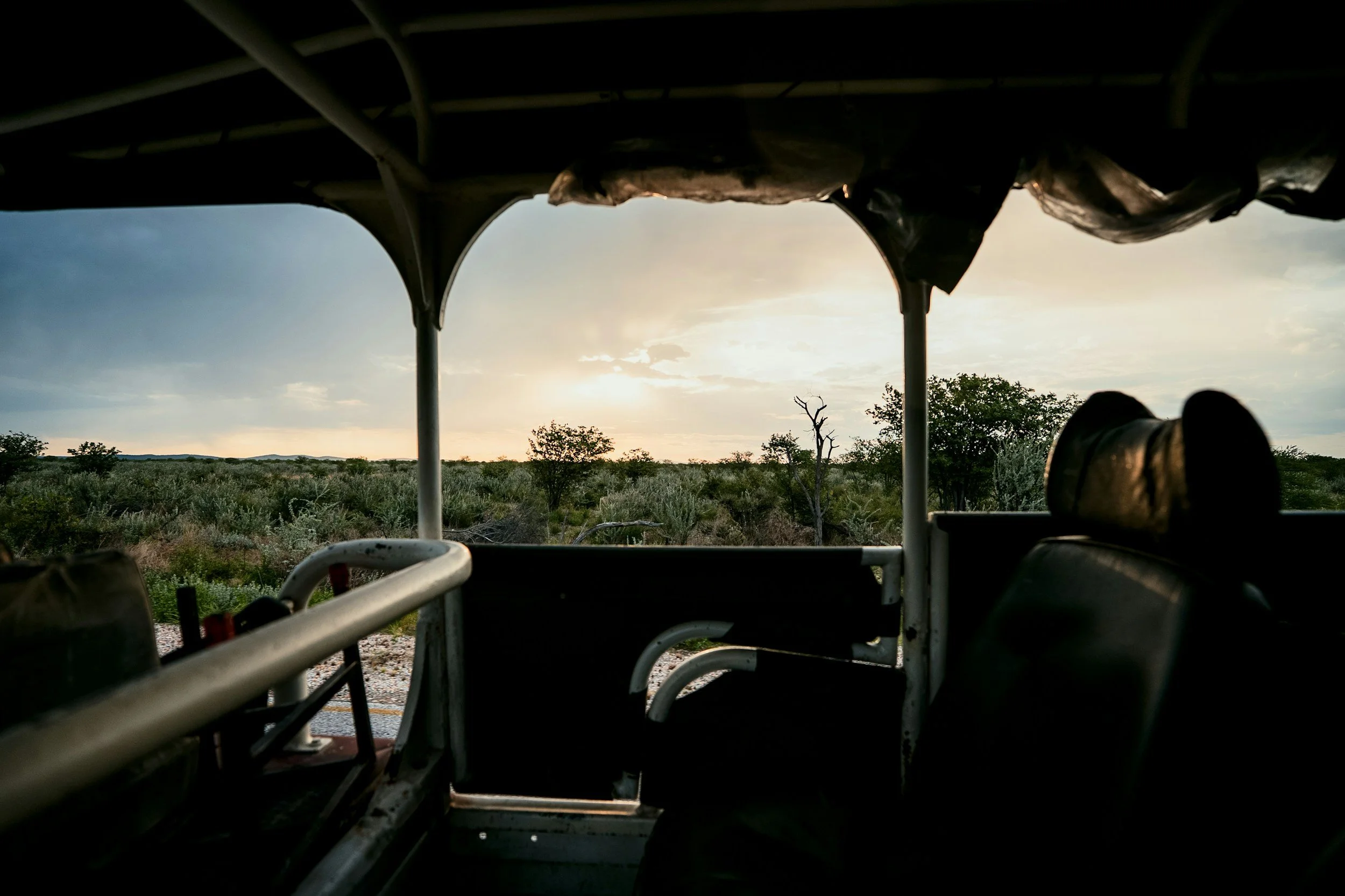
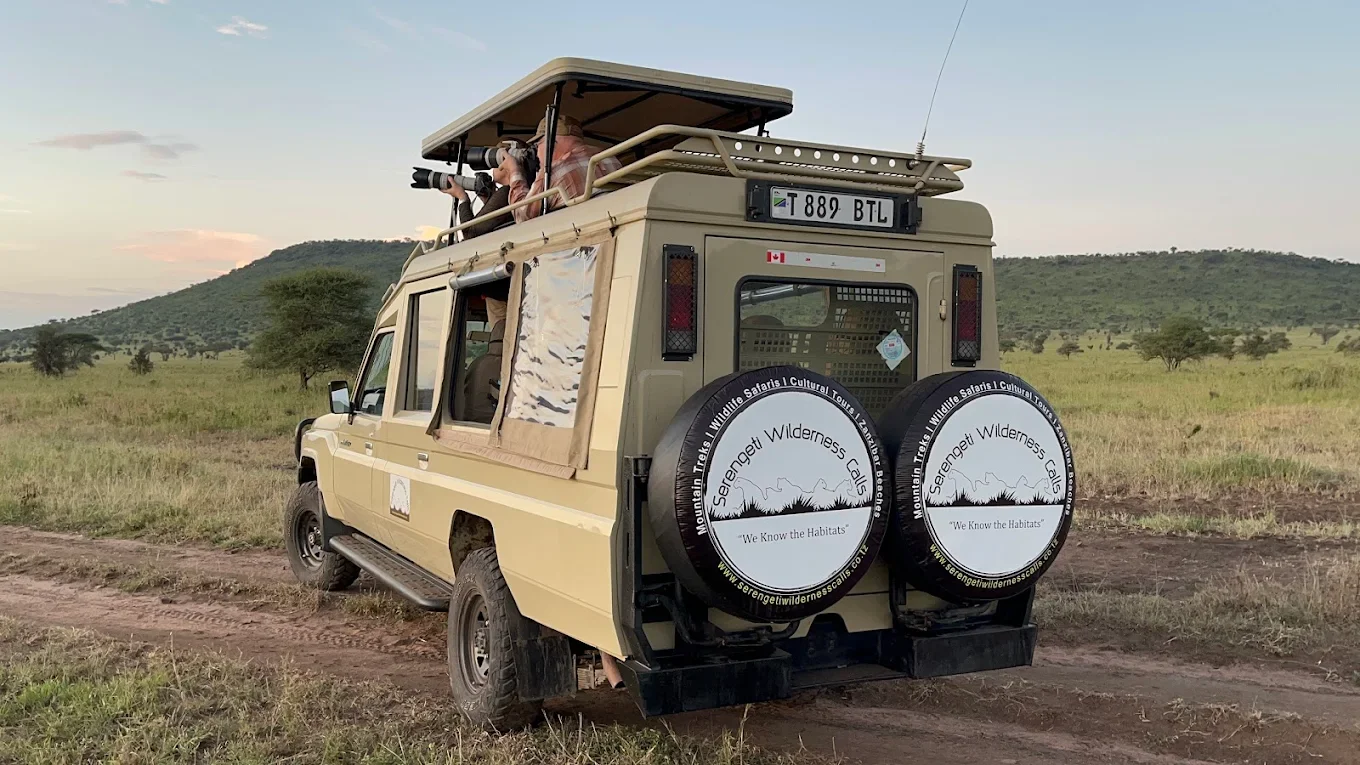
You travel in an extended Toyota Land Cruiser with a pop-up roof, sliding windows, a fridge, binoculars, African wildlife textbooks and charging points for cameras. The vehicle is yours for the duration - no sharing, no set schedule. You decide when to stop, when to move on, and how long to stay.